


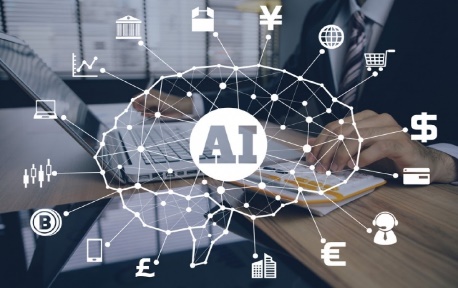
AI is one of the most powerful and transformative technologies in today’s digital landscape. While incorporating AI into your projects can be highly beneficial, it also presents unique challenges. This guide will walk you through the essential steps to seamlessly integrate artificial intelligence into your development workflow.
From setting clear objectives to selecting the right frameworks and addressing ethical considerations, follow our structured approach to enhance your projects with cutting-edge AI capabilities.
15-Step Guide to Implementing AI in Your Project
By following these steps, developers can successfully integrate AI features into their projects, improving functionality and staying ahead in technological advancements.
- Define Project Goals and Use Cases
Start by identifying the specific objectives AI will help achieve. Outline key use cases where AI can provide tangible benefits. A well-defined scope ensures alignment between business needs and technology, guiding decisions on data acquisition, model selection, and implementation.
- Assess Data Requirements
Determine the type and volume of data needed for AI training. Ensure data quality, diversity, and relevance to enhance model performance and reliability.
- Select AI Frameworks and Tools
Choose appropriate AI frameworks such as TensorFlow or PyTorch, or utilize prebuilt AI tools like Azure Cognitive Services or AWS SageMaker based on your project requirements.
- Set Up the Development Environment
Install the necessary libraries and dependencies for your selected AI framework. Configure your development environment for smooth integration and efficient workflow.
- Understand AI Models
Familiarize yourself with different AI models, such as machine learning and natural language processing, and select those that best align with your project’s goals.
- Preprocess Data
Clean, preprocess, and format data to ensure it’s suitable for AI training. Techniques such as normalization and feature engineering can improve model accuracy.
- Train AI Models
Use your prepared data to train the chosen AI models. Fine-tune them for better accuracy and optimal performance.
- Integrate AI into Your Codebase
Incorporate AI components into your existing system, ensuring seamless interaction between your application and AI models.
- Manage Input and Output
Develop robust mechanisms for feeding data into AI models and efficiently handling AI-generated outputs. This ensures smooth communication and optimal user experience.
- Perform Comprehensive Testing
Conduct thorough testing, including unit tests, integration tests, and real-world scenarios, to identify and resolve any issues before deployment.
- Monitor and Optimize Performance
Implement monitoring tools to track AI model performance. Continuously refine models based on real-world feedback to enhance efficiency.
- Address Ethical Considerations
Ensure AI implementation adheres to ethical guidelines, addressing concerns such as bias and data privacy. Implement necessary safeguards to mitigate risks.
For a deeper understanding of bias mitigation, refer to our article on the limitations of LLMs.
- Provide Comprehensive Documentation
Create detailed documentation for developers and stakeholders, outlining AI integration processes, data requirements, and troubleshooting steps.
- Plan for Scalability
Design a scalable AI integration strategy to accommodate future growth. Consider factors like increasing data volume, user interactions, and model complexity. Utilize cloud-based solutions, optimize code efficiency, and adopt modular architectures to ensure smooth scalability.
- Stay Updated and Continuously Improve
Regularly update AI models and algorithms to leverage the latest advancements. Stay informed about emerging trends and improvements in AI technology.
By following these steps, you can effectively integrate AI into your projects, unlocking new possibilities and driving innovation.
Should You Integrate AI into Your Development Projects?
Incorporating AI into development projects is essential for maintaining a competitive edge and improving efficiency. AI enables automation, provides data-driven insights, and enhances capabilities that streamline processes, drive innovation, and create superior user experiences.
However, successfully navigating the complexities of AI requires continuous learning, adaptability, and collaboration. By following a structured approach, you can harness the power of advanced technology while positioning your project for long-term success in an ever-evolving digital landscape. Staying informed and agile is key to unlocking new opportunities and ensuring sustainable growth and innovation.
At Turing, we leverage AI to help clients transform data into business value across various industries. Our expertise spans natural language processing (NLP), computer vision, text processing, and more. Join Turing and be part of the AI-driven future.
About the Author – Milagros Ribas
Milagros Ribas is a content writer with over eight years of experience crafting compelling narratives on diverse topics. She holds a BA in Translation and specializes in making complex tech concepts accessible and engaging for various audiences. In her free time, she enjoys running, watching movies, and learning new languages.