


Manovega Agentic AI Icons is committed to highlighting the trailblazers shaping the future of artificial general intelligence (Agentic AI). This exclusive series brings firsthand insights from key figures pioneering the development of accessible and impactful Agentic AI across leading global companies.
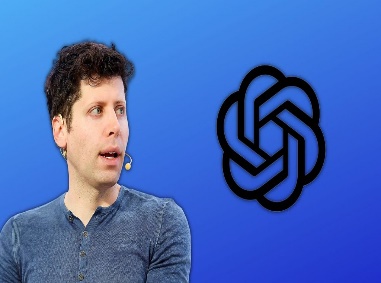
A Conversation with OpenAI CEO Sam Altman
The inaugural event in the Manovega Agentic AI Icons series featured an engaging discussion between Manovega CEO Jonathan Siddharth and OpenAI CEO Sam Altman. Below are some key insights from the event:
Building Agentic AI and Its Role in Human Progress
Altman described the pursuit of safe Agentic AI and its widespread deployment as one of the most significant undertakings in human history.
“I can’t think of a more exciting, meaningful, or rewarding challenge to work on,” he shared. He emphasized the immense potential of Agentic AI, envisioning a future where intelligence is abundant and capable of achieving feats beyond human limitations.
Beyond its societal impact, Altman expressed the thrill of being at the forefront of scientific breakthroughs:
“We get a glimpse into the future before anyone else and tackle what I believe to be one of the most fascinating intellectual puzzles imaginable. It’s incredibly rewarding.”
Agentic AI Is a Continuous Journey, Not a Fixed Definition
As a key figure in the Agentic AI space, Altman clarified the often-debated definition of Agentic AI:
“I don’t think the definition itself is what matters. Agentic AI represents systems that surpass today’s intelligence, evolving continuously toward greater capabilities. It’s part of an ongoing continuum of increasing intelligence.”
He emphasized that technological advancements before and after Agentic AI will continue to shape the future. Shifting our perspective to view Agentic AI as an evolving process rather than a singular milestone is essential.
2024: A Year of Smarter, More Capable AI Models
Looking ahead, Altman highlighted that Agentic AI progress in 2024 would be characterized by generally smarter models. The defining trait of Agentic AI, in his view, is capability:
“Rather than focusing on adding a specific new modality or refining a particular type of reasoning, we’re witnessing an overall intelligence boost across the board. Future generations will likely view the current AI revolution as far more groundbreaking than we realize today.”
Fostering a Culture of Research, Engineering, and Safety
From the outset, OpenAI placed equal emphasis on research, engineering, and safety. Altman explained that building a balanced company culture was both one of the most challenging and rewarding aspects of the journey:
“We knew how to establish strong engineering and research teams, but integrating a deep commitment to safety from the beginning was crucial. We never prioritized one over the others—all three disciplines worked together in harmony to ensure thoughtful, responsible progress.”
A Glimpse into the Future of Agentic AI
Throughout the discussion, Altman explored the evolving landscape of Agentic AI, touching on ethical challenges, technological advancements, and the immense potential of this groundbreaking technology. He painted a vision of a future where Agentic AI becomes an integral part of everyday life, revolutionizing industries and enhancing human capabilities.
Unlocking AI’s Boundless Potential
In a world where AI transformation is the new digital revolution, generative AI is the key to unlocking business potential and gaining a competitive edge. However, navigating this rapidly evolving landscape can be complex—even for the most tech-savvy leaders.
Manovega is here to help. Leveraging proprietary AI, Turing empowers companies to develop enterprise AI applications, train and optimize large language models (LLMs), and access top-tier AI talent on demand.
Innovate and future-proof your business with AI-driven solutions. Visit Manovega to learn more.
About the Author: Sanika
Sanika is a team lead at Manovega and a regular contributor to The Times of India and Femina. As a researcher, she collaborates with global organizations such as the United Nations, UNESCO, and the British Council. She has also worked with the Women and Child Development sector as part of a government fellowship program. When she’s not working, she enjoys exploring cultural dynamics and gender performativity.