
This article may include Amazon Affiliate Links. If you make a purchase through these links, we may earn a small commission—at no cost to you. It’s a great way to support our blog and the work we do at Replace Plastics. Thank you!
What Are Microplastics?
Microplastics are everywhere—floating in the air, drifting through oceans, embedded in soil, and even showing up in our food and water. Despite their big impact on our health and the environment, these tiny pollutants often go unnoticed. If you’re concerned about microplastic exposure, you’re in the right place. Replace Plastic is here to help you understand what microplastics are and to provide you with practical, budget-friendly solutions to reduce exposure and improve detoxification.
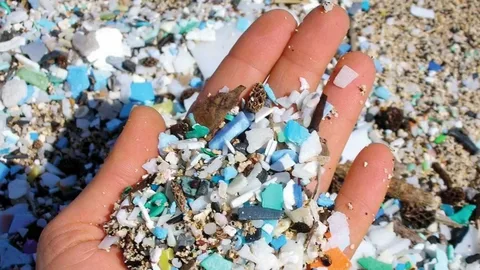
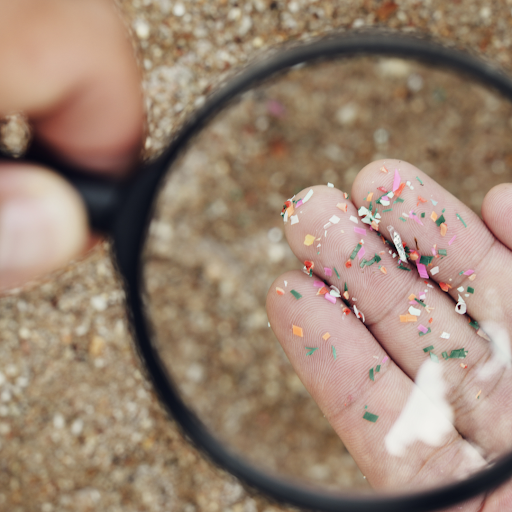
So, what are microplastics? They’re tiny plastic pieces less than 5 millimeters long—smaller than a sesame seed. These particles come from a surprising range of sources and are likely in more of your daily-use items than you’d guess.
Where Do Microplastics Come From?
Here are a few of the most common sources of microplastic exposure in everyday life:
- Food and Food Storage Items: Plastics became wildly popular in the 1960s and 70s, and now, most household items are made with them. Check your kitchen: bottled water, food storage containers, pots, pans, and many appliances likely contain plastic.
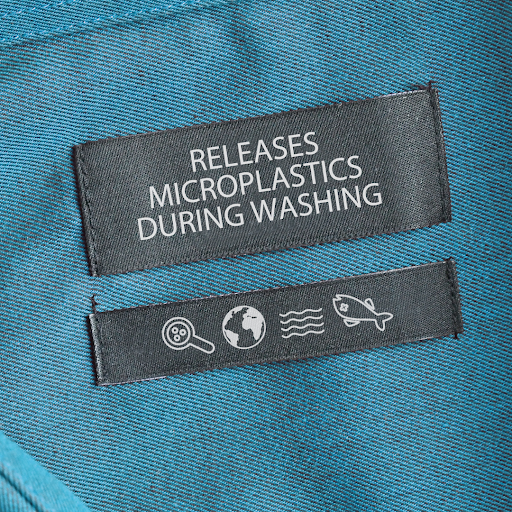
- Synthetic Clothing: Washing synthetic fabrics (like polyester and nylon) sheds microplastic fibers small enough to bypass water treatment systems and end up in rivers, lakes, and oceans.
- Personal Care Products: Even though plastic microbeads have been banned in many places, other plastic particles are still in products like lotions, makeup, and sunscreens, and they often aren’t filtered out by water treatment systems.
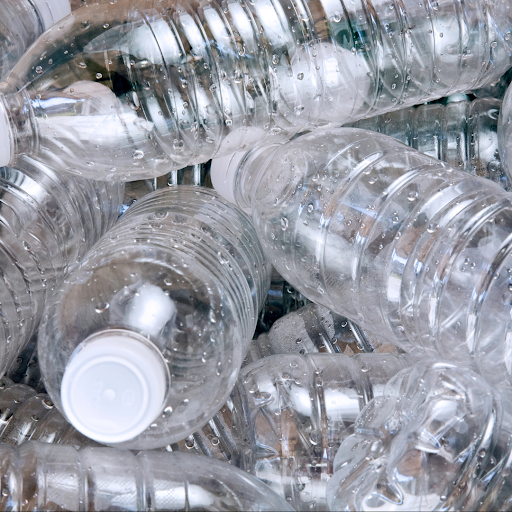
- Plastic Waste: Larger plastic items like bottles and bags break down into smaller pieces over time due to environmental factors, adding to the microplastic load.
- Car Tires: Every time you drive, your tires release tiny plastic particles into the air. Known as tire wear particles, these eventually end up in our water sources.
How Are Microplastics Impacting Human Health?
Here’s where things get concerning. Microplastics have been found in the air we breathe, the water we drink, and the food we eat. Studies have shown that:
– Ingestion: Microplastics are in seafood, drinking water, and even salt. These particles may accumulate in our bodies, and some scientists worry they could carry toxic chemicals that interfere with hormone function.
– Inhalation: Synthetic fibers and tire dust create airborne microplastics that can be inhaled, potentially leading to respiratory issues over time, especially in urban areas.
– Chemical Exposure: Microplastics act like sponges, absorbing harmful chemicals from the environment. When ingested, they might release those chemicals into the body, causing inflammation or cellular damage.
While we’re still uncovering the full picture, the findings so far suggest that limiting our exposure to microplastics should be a priority.
We’ve done a review of many recent research studies on microplastics, the research is pretty staggering, take a look for yourself.
How Can We Avoid Microplastics?
Reducing microplastic exposure is possible with a few changes:
- Filter Your Water: Microplastics have been found in both tap and bottled water. A good water filter, especially one with reverse osmosis, can help reduce exposure. Some top picks include:
– Bluevua RO100ROPOT Reverse Osmosis System
– iSpring RCC7AK Alkaline 6-Stage Reverse Osmosis System
- Choose Reusable Over Plastic Bottles: Switching to stainless steel, glass, or ceramic water bottles is an easy and affordable way to reduce plastic intake.
3. Skip Paper Cups: Many paper cups are lined with plastic to withstand heat. Instead, bring your own mug to your favorite coffee shop or ask for a ceramic cup if you’re staying in. Some great options include:
– Insulated Coffee Mug with Ceramic Coating
– DOWAN Ceramic Coffee Mugs with Cork Bottom
4. Use a Guppyfriend Bag: When washing synthetic clothes, try a Guppyfriend Washing Bag to trap microplastic fibers and keep them out of wastewater.
5. Go Natural with Fabrics: Natural fibers like cotton, wool, or linen don’t shed microplastics when washed and are a more eco-friendly option.
6. Avoid Plastic Containers for Food: Glass containers are a great way to reduce microplastic exposure, especially when heating food. Try these:
– Glass Food Storage Containers with Bamboo Lids
7. – NETANY Glass Jars with Airtight Lids
Stay Curious About Microplastics at Home: Many kitchen products, like coffee makers, pots, and drinkware, can be sources of microplastics. For safer options, check out our Replace Plastics Top Picks.
The Bottom Line: Microplastics Are a Big Problem
Microplastics may be small, but their impact is huge. They’re infiltrating ecosystems, contaminating the food chain, and potentially affecting our health. While we can’t eliminate microplastics completely, understanding where they come from and making mindful changes can help protect both our planet and our health.