
This article may include Amazon Affiliate Links. If you make a purchase through these links, we may earn a small commission—at no cost to you. It’s a great way to support our blog and the work we do at Replace Plastics. Thank you!
Microplastics: What New Research Says About Their Impact on Our Health
Microplastics aren’t just an environmental issue—they’re making their way into our bodies, impacting organs from the brain to the lungs. Microplastics are everywhere, floating in the air, drifting through oceans, embedded in soil, and even showing up in our food and water. Yet, these tiny pollutants often go unnoticed despite the big impact they have on our health and the environment.
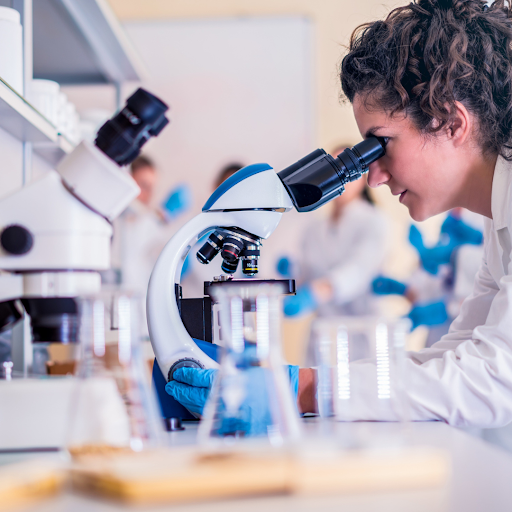
Here’s a snapshot of recent research exploring what microplastics might be doing to us:
- The Plastic Brain
Prüst et al. (2020) found that micro- and nanoplastics can cross biological barriers and reach the brain in both animals and humans. Once there, these particles can trigger oxidative stress and disrupt neurotransmitter functions, potentially leading to neurodegenerative issues. This study emphasizes the urgent need to understand how plastic particles might affect brain health and behavior. The plastic brain: neurotoxicity of micro- and nanoplastics
- Inhaling Microplastics
A study by Jenner et al. (2022) investigated the presence of microplastics in human lung tissue. Using advanced spectroscopy, they identified common polymers like polypropylene and PET. The study suggests that airborne microplastics, especially indoors and in densely populated areas, are inhaled and accumulate in lung tissue over time. This points to inhalation as a significant exposure route, raising concerns about respiratory health. Detection of microplastics in human lung tissue using μFTIR spectroscopy
- Microplastics in the Brain’s Olfactory Bulb
Research by Amato-Lourenço et al. (2024) found microplastics in the olfactory bulb of the human brain, suggesting that they may enter through the nasal passage. The study identified various particles, primarily polypropylene, with implications that these particles could bypass the blood-brain barrier via the olfactory pathway. This finding underscores the need for further research on microplastics’ neurotoxic effects. Microplastics in the Olfactory Bulb of the Human Brain
- Microplastics in Human Placentas
Ragusa et al. (2021) conducted a pioneering study detecting microplastics in human placentas. These particles were found on both the maternal and fetal sides, indicating potential transference from mother to fetus. The presence of plastic particles in such a critical organ raises questions about developmental impacts and highlights the urgency of understanding prenatal exposure risks. Plasticenta: First evidence of microplastics in human placenta

- Human Exposure to BPA is widespread.
A study by Jenny L. Carwile, MPH; Xiaoyun Ye, MS; Xiaoliu Zhou, MS found that consumption of 1 serving of canned soup daily over 5 days was associated with a more than 1000% increase in urinary BPA. Generalizability is limited due to selection of participants from 1 school and testing of a single soup brand; however, generalizability to canned goods with similar BPA content is expected. Canned Soup Consumption and Urinary Bisphenol A: A Randomized Crossover Trial
- Significant Plastics found in Paper Cups
A study by Ved Prakash RanjanAnuja Joseph hot water was poured into disposable paper cups and allowed to sit in them for 15 mins. The liquid was then observed under a fluorescence microscope confirming that the paper cups released microplastic particles into the liquid. A disposable paper cup (100 ml) with a plastic liner can leach approximately 25,000 micron‐sized microplastic particles into hot water. Microplastics and other harmful substances released from disposable paper cups into hot water – ScienceDirect

What Does This Mean for Us?
Microplastics are now part of our daily environment, entering our bodies through the air we breathe, the water we drink, and the food we eat. The cumulative findings from these studies indicate potential health impacts, from respiratory issues to neurotoxicity, and even prenatal exposure.
While the potential risks of microplastic exposure are concerning, there are simple, practical steps you can take now to limit your exposure. Check out our guide, [6 Simple Steps to Decrease Your Microplastic Exposure](#), for actionable tips like choosing glass or stainless steel containers over plastic, filtering your drinking water, and opting for natural fabrics.
Get Curious and Learn More
Looking to learn more? Visit our [Replace Plastics Top Picks](#) for recommended products to help reduce microplastic exposure. You can also dive into more articles on our site to better understand the impact of microplastics and discover ways to protect yourself and your family.
Taking small, consistent steps now can help reduce your exposure and contribute to a healthier environment for everyone.