
This article may include Amazon Affiliate Links. If you make a purchase through these links, we may earn a small commission—at no cost to you. It’s a great way to support our blog and the work we do at Replace Plastics. Thank you!
So you’ve started hearing about microplastics, or you listened to a podcast or read an article that has you a bit concerned and wanting to learn a little more about what microplastics are, why they may be harmful for your health, and what you can do to reduce your exposure to them?
That was absolutely me when I first heard about microplastics and nanoplastics. And honestly the more I researched the more I realized how little was out there, which is what prompted us to create this page. To help people not only learn more about microplastics and their risks, but also to help point you in the direction of some products and solutions that can help you limit your exposure to microplastics, as well as assist your body in removing the microplastics that have already accumulated in your body.
So What are microplastics?
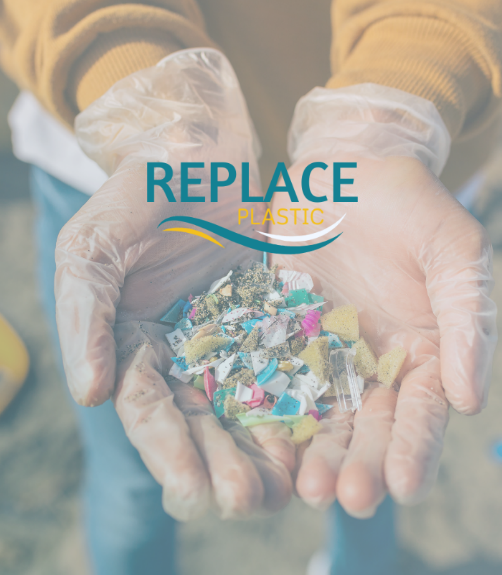
Microplastics are tiny plastic fragments that come from larger plastic products breaking down over time or are intentionally manufactured at a small scale, like microbeads in some skincare products.
They’re less than five millimeters in size, often invisible to the naked eye, and they’re practically everywhere—in our oceans, our air, our homes, the daily products we use, and even in the food and water we consume.
Because plastics aren’t naturally biodegradable, these tiny particles persist and accumulate in our environment and in our body tissues. And while it’s still a developing field of study, there’s growing concern that they might pose health risks since they can carry harmful chemicals that potentially disrupt our bodies in ways we’re only just beginning to understand.
Many recent studies are finding microplastics in human tissues, including the brain, indicating these tiny particles can cross the blood brain barrier. Research is also emerging to show a relationship between bioaccumulation of plastics and many health conditions including digestive and hormonal disruptions.
What are the risks associated with ingesting/inhaling microplastics?
When we ingest or inhale microplastics, there’s a chance they bring along harmful chemicals like BPA, phthalates, and heavy metals that cling to their surfaces. These chemicals are known for being endocrine disruptors, which means they can interfere with our hormones, potentially impacting everything from our metabolism to reproductive health.
Plus, studies suggest that microplastics can cause inflammation and stress on our cells, possibly leading to longer-term health concerns we’re only beginning to uncover. So, while we don’t have all the answers yet, minimizing our exposure to these tiny particles is a solid step for keeping our bodies on a healthier path.
If you really want to dive into the nitty gritty, we’ve put together a page linking to many of the recent studies, you can check them out for yourself. Dr. Andrew Huberman, a Stanford neuroscientist and podcast host of the #1 health podcast “Huberman Lab” recently did an entire show on this topic, check it out its very digestible and a great way to learn more. We’ve linked it for you on our resource page.
What are the biggest sources of microplastic exposure?
The biggest sources of microplastic exposure come from the everyday stuff we might not even think about: bottled water, food packaging, household dust, coffee cups, and even our clothing. Synthetic fabrics like polyester shed microfibers when washed, which can end up in the water we drink and the air we breathe.
Single-use plastics like bags, wrappers, and containers also break down into tiny particles over time, releasing microplastics into the environment and our food chain. The paper coffee cups you so LOVE to grab from your local favorite stop are lined with a plastic compound that releases microplastics into your favorite drinks.
And let’s not forget personal care products—some even have microplastics intentionally added as exfoliants. With so many everyday sources, microplastics have a way of sneaking into our lives, which makes awareness and small lifestyle changes all the more important.
What steps can I take today to reduce microplastic exposure and help my body detox the microplastics that have already accumulated in my body?
Reducing microplastic exposure starts with small, simple changes: swap single-use plastics for glass or stainless steel alternatives, switch to reusable bags, and filter your drinking water, and become more aware of the plastics in your home and environment.
Choosing natural fibers like cotton or linen over synthetics can also reduce microfiber pollution in your home. For personal care, check labels for ingredients like polyethylene or polypropylene to avoid microplastics in products.
As for helping your body clear out what’s already there, focus on a diet rich in antioxidants and fiber, which support your natural detox pathways, stay hydrated to keep things moving, regular exercise and sauna time can all help your body’s natural detox systems do their thing. These little changes add up, making a real difference in how much plastic your body encounters and retains.
We created this site to help people like you start to navigate these changes. Check out our other blogs, and the research we have compiled. We are also constantly updating our “Top Replace Plastic Picks” to make this process a little easier and more streamlined.
Thank you for being here. It’s a powerful step to become a more informed and healthier you, keep going!