

This article may include Amazon Affiliate Links. If you make a purchase through these links, we may earn a small commission—at no cost to you. It’s a great way to support our blog and the work we do at Replace Plastics. Thank you!
Microplastics and Digestive Health: Is There a Link to IBS?
Microplastics are becoming increasingly prevalent in our environment, infiltrating everything from the air we breathe to the water and food we consume. These tiny plastic particles (less than 5 millimeters in length) may seem inconsequential, but emerging research suggests they could have significant implications for our health, particularly for those with digestive issues or Irritable Bowel Syndrome (IBS).
In this article, we’ll dive into the latest findings on how microplastics impact digestive health, discuss the potential link to IBS, and explore practical ways to protect your digestive system and reduce exposure. For more tips on avoiding microplastics and choosing safer alternatives, explore our Top Picks for Reducing Plastics.

The Growing Problem of Microplastics in Our Environment
Microplastics are the result of plastic waste breaking down into smaller particles due to environmental factors like sunlight and abrasion. These particles are commonly found in oceans, rivers, and soil, but they don’t stop there. Recent studies have found microplastics in our food and water, posing a direct route for these particles to enter our bodies.
These particles can come from a range of everyday sources, including:
– Plastic packaging used for food and beverages and other common household items.
– Synthetic clothing fibers that release microplastics during washing
– Personal care products like toothpaste and cosmetics
– Car tires, which shed tiny plastic particles as they wear down
– Household dust, which can contain fibers and particles from synthetic materials
The widespread presence of microplastics means that avoiding exposure completely is nearly impossible. However, understanding the impact these particles have on our health can empower us to make better choices.
How Microplastics Affect Digestive Health
Disruption of the Gut Microbiome
The gut microbiome, a collection of trillions of beneficial bacteria, plays an essential role in digestion, immune function, and even mood regulation. Research has shown that microplastics can disrupt this delicate ecosystem. When ingested, microplastics can irritate the gut lining, creating inflammation and potentially affecting the balance of gut bacteria. This is a concern because a balanced microbiome is crucial for maintaining a healthy digestive system, and disruptions are often associated with digestive issues, including IBS.
Induction of Oxidative Stress and Inflammation
One study published in Environmental Science & Technology revealed that individuals with Inflammatory Bowel Disease (IBD) had approximately 1.5 times more microplastic particles in their feces compared to healthy individuals. This finding suggests a potential link between higher microplastic exposure and digestive tract inflammation, as well as a possible correlation with other digestive disorders like IBS. Analysis of Microplastics in Human Feces Reveals a Correlation between Fecal Microplastics and Inflammatory Bowel Disease Status
Microplastics are thought to induce oxidative stress, a condition where the balance between free radicals and antioxidants in the body is disrupted. This stress can lead to cellular damage, and chronic inflammation—a common characteristic of IBS and other digestive conditions. The gut lining is especially susceptible to inflammation, which can exacerbate symptoms in people already dealing with sensitive digestion or inflammatory conditions.

Leaching of Toxic Chemicals
In addition to their physical effects, microplastics act as carriers for toxic chemicals. These particles can contain additives used in plastic production, such as BPA and phthalates, which are known to disrupt hormones and may affect gut health. Studies have also shown that microplastics can absorb environmental pollutants like heavy metals and pesticides. When ingested, they may release these toxins into the digestive system, potentially causing harm to the gut lining and exacerbating inflammation.
Microplastics and IBS: A Potential Connection
IBS is a common digestive disorder characterized by symptoms like bloating, abdominal pain, constipation, and diarrhea. While the exact causes of IBS are still being studied, it’s understood to involve a mix of factors, including gut-brain interactions, genetics, and environmental influences. The inflammatory nature of IBS makes it plausible that microplastics, known to cause inflammation and oxidative stress, could worsen symptoms or increase susceptibility to IBS.
Studies Linking Microplastics to Digestive Disorders
Though direct studies connecting microplastics to IBS are limited, the research on microplastics and general digestive inflammation provides some insights. The study on IBD patients mentioned earlier found a higher concentration of microplastics in individuals with chronic inflammation of the digestive tract. This is noteworthy because, like IBS, IBD involves chronic inflammation, suggesting that microplastics might aggravate or contribute to similar digestive conditions.
Animal studies have also shown that microplastics can affect gut health. For example, a study on mice showed that microplastics induced inflammation in the intestines, disrupted the gut microbiome, and even impacted nutrient absorption. While further research is needed to establish a clear connection between microplastics and IBS specifically, these findings raise important questions about the broader impact of microplastics on digestive health.
How Microplastics Enter Our Digestive System
Microplastics are sneaky; they can enter the body in more ways than we might realize. Here are the primary routes of exposure:
– Ingestion through Food and Water: Microplastics have been detected in seafood, tap and bottled water, table salt, even fruits and vegetables When we consume these products, we’re also consuming the microplastics within them.
– Inhalation of Airborne Particles: We’re not just exposed to microplastics through food and drink—airborne particles can also enter our digestive system. When we breathe in airborne microplastics, they can settle in the throat or lungs and be swallowed, adding to our digestive burden.
– Plastic Packaging and Utensils: Heating food in plastic containers or using plastic utensils can release microplastics and harmful chemicals directly into our meals. The hotter the plastic, the more likely it is to leach particles into food. These microplastics can be found in unlikely places too. For example, popular paper cups that are used for coffee are lined with a substance called polyethelene. This plastic lining is what helps the cup retail hot liquid, which is especially problematic because when that lining is exposed to hot liquid, microplastics are released into our drinks.
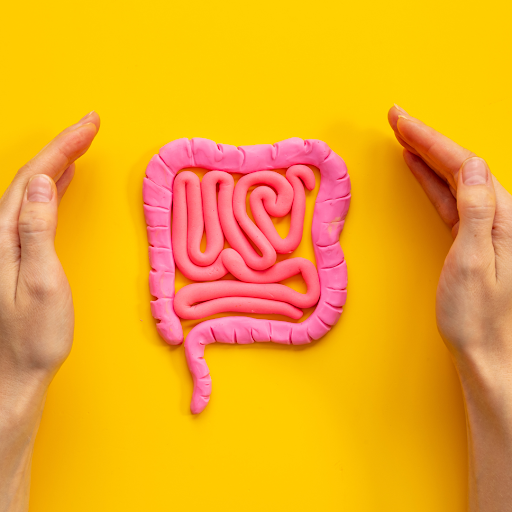
Protecting Your Digestive Health from Microplastics
While it’s difficult to avoid microplastics entirely, there are practical steps you can take to minimize exposure and support your digestive health.
- Filter Your Water
Water is a significant source of microplastic exposure, especially bottled water. Using a high-quality water filter can help reduce the presence of microplastics. Reverse osmosis (RO) systems are particularly effective, as they can filter out particles as small as 0.0001 microns.
Top Tips for Filtering Water
– Choose the Right Filter: Opt for RO filters or filters certified to reduce microplastics. Some countertop filters are also effective but may not be as thorough as RO systems.
– Filter Both Tap and Bottled Water: Surprisingly, bottled water often contains more microplastics than tap water. Filtering both can further reduce your intake.
- Opt for Fresh, Unpackaged Foods
Processed and packaged foods tend to contain more microplastics due to packaging and handling. Whenever possible, choose fresh, unpackaged fruits, vegetables, and grains. Buying in bulk and using your own containers can reduce exposure to plastics.
Shopping Tips:
– Bring Your Own Bags and Containers: Use reusable produce bags and bulk containers to avoid single-use plastic packaging.
– Select Locally Sourced Foods: These foods often have shorter supply chains, reducing their exposure to plastic packaging.
- Avoid Heating Food in Plastic Containers
Microwaving or heating food in plastic containers is a major source of microplastic exposure, as it can cause the plastic to break down and release particles and chemicals into food. Use glass or ceramic containers for heating and storing food, especially if you’re dealing with oily or acidic foods, which can increase leaching.
- Support Gut Health with a Microbiome-Friendly Diet
Your gut plays a crucial role in managing the impact of microplastics. A diet rich in fiber, antioxidants, and anti-inflammatory foods can help support digestion and combat the potential negative effects of microplastics.
Gut-Healthy Foods:
– Fiber-Rich Foods: Fiber binds with toxins and helps remove them through waste. Try whole grains, fruits, vegetables, legumes, and flaxseeds.
– Probiotics and Prebiotics: Probiotics (found in yogurt, kefir, sauerkraut) introduce beneficial bacteria, while prebiotics (found in garlic, onions, bananas) feed those bacteria, promoting a healthy gut microbiome.
– Antioxidant-Rich Foods: Berries, leafy greens, nuts, and green tea are high in antioxidants, which help fight oxidative stress and inflammation.
- Reduce Airborne Microplastics at Home
Microplastics are not just in our food—they’re in our homes. Reducing airborne microplastics can also help reduce digestive exposure, as we can inadvertently swallow particles from the air.
Ways to Minimize Indoor Exposure:
– Vacuum and Dust Regularly: Use a vacuum with a HEPA filter and dust with damp cloths to capture airborne particles more effectively.
– Ventilate Your Space: Open windows and ensure good airflow to reduce indoor pollutants.
– Switch to Natural Fibers: Avoid synthetic fabrics for clothing and home textiles, as they release microplastics when they degrade. Choose natural fibers like cotton, wool, and linen instead.
Supporting Overall Digestive Health
Besides reducing microplastic exposure, supporting your digestive health can improve your resilience to environmental toxins. Incorporate these strategies to keep your gut functioning at its best:
– Stay Hydrated: Water helps flush toxins from your system. Aim for at least 8 cups a day to support digestion and detoxification.
– Exercise Regularly: Exercise promotes blood circulation and lymphatic drainage, helping move toxins out of the body. Even a daily walk can support digestive health.
– Prioritize Sleep: During sleep, the body undergoes repair processes that are essential for detoxification. Aim for 7-9 hours per night to allow your body to regenerate effectively.
The Bottom Line: Protect Your Gut from Microplastics
Microplastics may be everywhere, but you have tools at your disposal to minimize their impact on your health. By filtering your water, choosing fresh foods, choosing more eco-friendly` home products, and supporting your gut health with fiber and probiotics, you can reduce your exposure and protect your digestive system from potential harm.
For more tips on avoiding microplastics and choosing safer alternatives, explore our Top Picks for Stainless Steel, Glass, and Ceramic Storage Solutions.