
This article may include Amazon Affiliate Links. If you make a purchase through these links, we may earn a small commission—at no cost to you. It’s a great way to support our blog and the work we do at Replace Plastics. Thank you!
Detoxing Microplastics: Effective Strategies to Support Your Body
Microplastics have become a part of our daily lives, from the water we drink to the air we breathe. These particles are tiny, but their impact on our health is significant, potentially interfering with bodily processes and increasing our toxic load. Although we can’t eliminate microplastics entirely, we can help our bodies detoxify them more effectively. Let’s look at natural, science-backed strategies to support your body’s ability to process and clear out microplastics. Many of these recommendations are valuable for supporting overall health as well!
1 Understanding Your Body’s Detox Systems
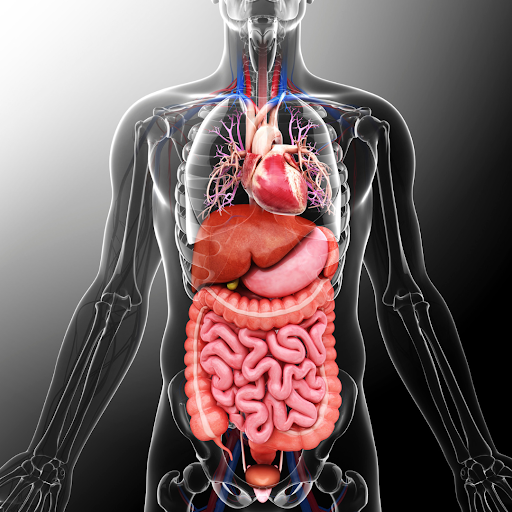
Your body already has powerful detox systems in place. The liver, kidneys, lungs, digestive tract, and skin all play essential roles in processing and eliminating toxins, including microplastics. Here’s a quick look at each:
– Liver: The liver is your body’s primary detox organ, filtering out toxins and breaking them down through processes known as Phase 1 and Phase 2 detoxification.
– Kidneys: The kidneys filter blood and help remove waste through urine. They also balance essential minerals and maintain hydration, which is crucial for detox.
– Digestive System: Your gut plays a big role in detoxification. Fiber helps trap toxins in the intestines, so they’re excreted instead of absorbed.
– Skin: The skin is your largest organ, and sweating is a natural way to release certain toxins.
– Lymphatic System: This lesser-known system carries waste away from tissues and works closely with the immune system to clear out unwanted materials.
Understanding these pathways can guide you in supporting your body’s natural detox abilities. Now, let’s dive into actionable ways to boost these systems.

2 .Exercise to Get Things Moving
Regular exercise doesn’t just strengthen muscles—it helps mobilize toxins in the body, moving them toward elimination. Exercise increases circulation, improves lymphatic flow, and induces sweating, which releases toxins through the skin.
What to Try:
– Cardio: Activities like jogging, cycling, and swimming increase blood flow, delivering oxygen to your organs, which aids in detox. Aim for at least 30 minutes a day, 3-5 times per week.
– Strength Training: Building muscle mass can help stabilize hormone levels and boost metabolism, indirectly supporting detox.
– Gentle Movement: If high-intensity workouts aren’t your style, try gentle yoga or stretching. These movements activate lymph flow, helping to clear out waste products.
-Walking-Walking is an incredible way to move your body, and it gives a great mental health boost as well.
At the end of the day, pick something you LOVE doing, because that will keep you doing it!
3. Sweating It Out with Saunas
Saunas have been used for centuries to support health, and modern science backs their detoxifying benefits. Research shows that saunas help increase blood circulation and open pores, which can help release toxins through sweat. Regular sauna sessions can be especially effective for helping the body detox from fat-soluble toxins that accumulate over time.
How to Get Started
– Begin Gradually: If you’re new to saunas, start with shorter sessions (5-10 minutes) and work up to 20-30 minutes as your body adapts.
– Choose Infrared Saunas: Infrared saunas penetrate deeper into tissues, potentially offering enhanced detoxification benefits compared to traditional saunas.
– Stay Hydrated: Saunas cause you to lose fluids, so be sure to drink water before, during, and after your session. Adding electrolytes can help restore balance.
Luckily more and more affordable home-saunas have become available over the years, with very easy installations! Avoid choosing the single person ones made from plastic. And if you aren’t able to install one at home, many healthy clubs and gyms have them now!
Home Sauna for Up to 2 Barcelona
4. Support Phase 2 Liver Detox Pathways
Your liver has two primary detox pathways: Phase 1 and Phase 2. Phase 1 involves breaking down toxins, but the process can create free radicals, which are potentially harmful. Phase 2 detox then binds these broken-down toxins with molecules that make them easier for the body to excrete. Supporting this process can enhance your liver’s ability to handle microplastics.
Key Foods for Phase 2 Detox
– Fiber: Fiber binds to toxins in the digestive tract, helping to flush them out before they’re reabsorbed. High-fiber foods include oats, beans, lentils, apples, and flaxseeds.
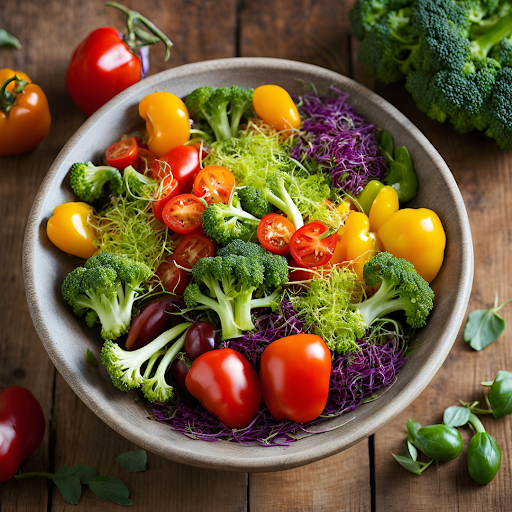
– Cruciferous Vegetables: Veggies like broccoli, cauliflower, Brussels sprouts, and kale are rich in compounds that boost liver detox. They contain sulforaphane, a powerful detoxifier that supports liver enzymes in eliminating toxins.
– Antioxidant-Rich Foods: Blueberries, green tea, and turmeric are rich in antioxidants that counteract free radicals produced during detoxification. They also support the immune system, which helps clear toxins.
– Healthy Fats: Omega-3 fatty acids from sources like salmon, flaxseed, and walnuts support cell membranes and reduce inflammation, making the liver’s job easier.
5. Healthy Digestion: The Gut-Detox Connection
The gut is another key player in detoxifying microplastics and other pollutants. A well-functioning gut helps ensure toxins are eliminated efficiently, while gut imbalances can lead to reabsorption of toxins back into the body.
Ways to Support Gut Health
– Stay Hydrated: Water supports every step of digestion and aids the kidneys in flushing out toxins. Aim to drink at least 8 cups per day, and start your morning with a glass of water with a squeeze of lemon to kickstart digestion.
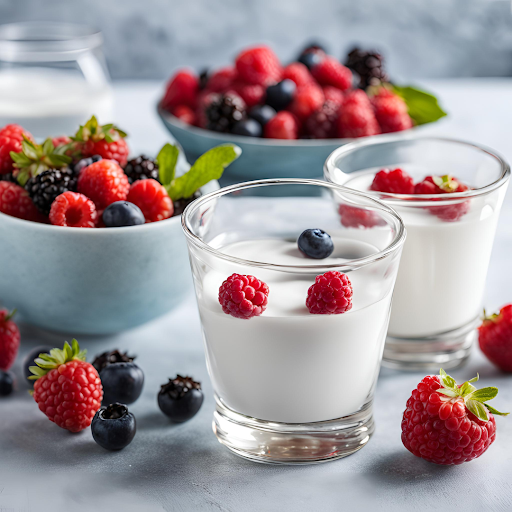
– Eat Probiotics and Prebiotics: Probiotics (found in yogurt, kefir, and fermented foods like sauerkraut) add beneficial bacteria to the gut, while prebiotics (in foods like bananas, garlic, and asparagus) feed these bacteria. A balanced microbiome helps support the gut’s detoxifying role. Probiotic supplement is an option as well.
– Limit Processed Foods: Processed foods contain additives and preservatives that may add to your toxic load. Focus on whole foods to reduce stress on the digestive system and encourage natural detoxification.
We realize making nutrition and lifestyle changes can be very challenging, especially in our hustle culture, and current food system. If you are interested in a great 9 week program that layers in new habits at a sustainable pace, as well actually teaches you about food, check out The Well Fed Way with Well Fed Health.
6. Sulforaphane: The Detox Superstar
Sulforaphane, a sulfur-rich compound found in cruciferous vegetables, has gained attention for its powerful detoxifying effects. It’s particularly effective in supporting Phase 2 liver detox, helping to neutralize toxins before they’re excreted.
How to Add Sulforaphane to Your Diet
– Broccoli Sprouts: Broccoli sprouts contain up to 100 times more sulforaphane than mature broccoli. Add them to salads, sandwiches, or smoothies.
– Eat More Cruciferous Vegetables: Aim to incorporate a serving of broccoli, cabbage, Brussels sprouts, or kale daily.
– Consider a Supplement: If your diet lacks cruciferous vegetables, you might consider a sulforaphane supplement. Consult with a healthcare provider for guidance on dosage and quality.
Thorne is a highly reputable brand that offers a sulforaphane supplement.THORNE Broccoli Seed Extract (Formerly Crucera-SGS) for Antioxidant Support – Sulforaphane Glucosinolate (SGS) – 60 Capsules
7. Daily Microplastic Reduction Tips
Supporting your body’s detox pathways is essential, but preventing additional microplastic exposure is equally important. Here are a few tips to help you reduce microplastic intake in your everyday life:
– Filter Your Water: Use a filter designed to remove microplastics. Reverse osmosis filters are particularly effective for this purpose.
– Choose Natural Fabrics: Synthetic fabrics shed microplastics with every wash. Choose clothes made from natural fibers like cotton, wool, or linen.
– Limit Single-Use Plastics: Use glass or stainless steel for food storage and reusable water bottles instead of single-use plastics.
The Bottom Line: Supporting Your Body and the Planet
Detoxing from microplastics is a journey that combines supporting your body’s natural processes with making mindful choices in everyday life. By focusing on nutrition, hydration, exercise, and lifestyle changes, you can help your body better process and eliminate microplastics, reducing their impact on your health.
These small, consistent changes not only benefit you but also contribute to a healthier environment. Remember, every step you take matters—whether it’s a workout, a meal full of greens, or simply choosing a reusable water bottle.
Ready to dive deeper? Check out our Replace Plastic Top Picks for products that support a low-toxin lifestyle, and explore more articles to protect yourself and your family.