
This article may include Amazon Affiliate Links. If you make a purchase through these links, we may earn a small commission—at no cost to you. It’s a great way to support our blog and the work we do at Replace Plastics. Thank you!
Are Plastic Cutting Boards Safe? Here’s What You Need to Know
Cutting boards are a kitchen essential we use every day, whether it’s chopping veggies for dinner or slicing up fruit for snacks. But with so many options out there, from wood to bamboo to plastic, it can be hard to know which type is best for your health and your kitchen. Plastic cutting boards are popular, often for their easy-clean features and budget-friendly price tags, but are they really the safest choice? Let’s take a closer look at plastic cutting boards, their potential health risks, and what other options might work better if you’re looking to minimize microplastic exposure.
How Plastic Cutting Boards Release Microplastics
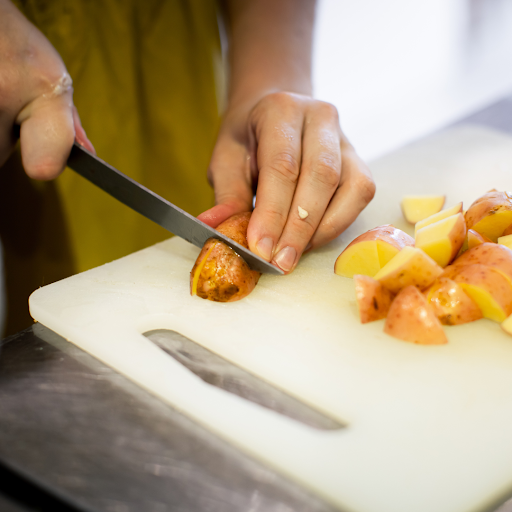
When it comes to plastic cutting boards, the problem is that every time you slice or chop, you’re likely creating tiny cuts and grooves in the surface. Over time, those little cuts start breaking down the plastic into small particles, some of which end up in your food. These tiny bits of plastic, called microplastics, can be so small they’re invisible. Studies show that over time, cutting on a plastic board can leave microplastics in what you’re preparing, especially when you’re using sharp knives or preparing food that requires a lot of pressure.
Potential Health Concerns of Plastic Cutting Boards
Plastic cutting boards are often made from polyethylene or polypropylene, both of which are safe for food use initially. But the issue isn’t just the plastic itself—it’s what happens when it starts breaking down. Over time, tiny plastic particles from these boards can enter your food, and from there, into your body. Researchers still aren’t fully sure of the long-term effects of ingesting microplastics, but concerns include:
– Chemical Exposure: Some microplastics can carry chemicals like BPA, which has been linked to hormone disruption.
– Digestive Impact: Microplastics can accumulate in the digestive system, and while the body may pass them naturally, ongoing exposure raises questions about the long-term health impact.
Using plastic boards occasionally may not be a huge concern, but if you’re using plastic cutting boards often, there are some alternatives worth considering.
Alternatives to Plastic Cutting Boards
If you’re interested in a safer option, here are some great alternatives to plastic cutting boards that work just as well and have extra perks for your health and kitchen.
- Bamboo Cutting Boards
Bamboo is a highly durable and naturally antimicrobial material, meaning it helps reduce bacteria buildup while standing up to regular kitchen use. Bamboo boards are less likely to leave deep grooves, which means fewer particles get into your food. Plus, bamboo is a fast-growing, renewable resource, making it an eco-friendly choice.
- Wood Cutting Boards
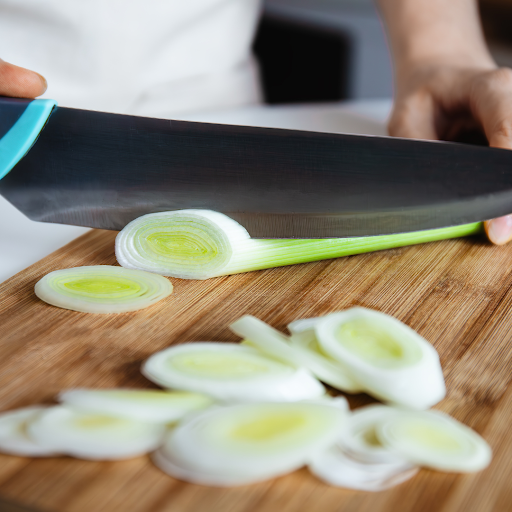
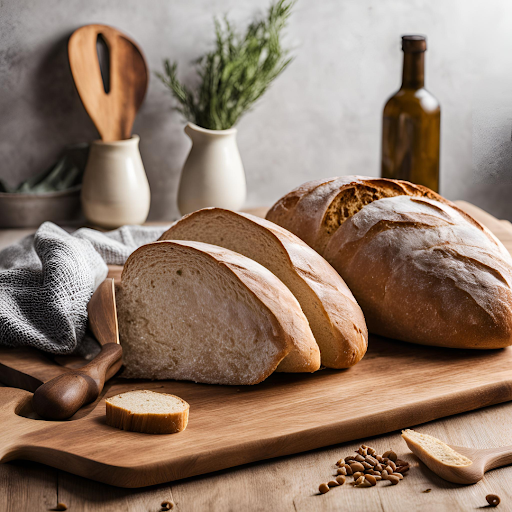
Wooden cutting boards, especially those made from hardwoods like maple or walnut, are another excellent option. They’re durable, naturally antimicrobial, and easy on your knives. Wooden boards tend to develop fewer deep grooves than plastic, so you’ll have less risk of microplastics and more protection against bacteria. A little more maintenance is required—oil your board regularly—but it can last for years with the right care.
- Tempered Glass Cutting Boards
Glass boards are practically impossible to scratch or cut into, which means no microplastics! They’re also easy to sanitize and keep clean. Just keep in mind that glass can be tough on your knives, and it might not be the best choice if you’re looking for a quieter, less fragile board.
We’ve put together a list of recommended top rated cutting boards across bamboo, wooden, stainless steel and glass so you can find a choice that fits your style.
Tips for Maintaining Your Cutting Board
Whether you choose bamboo, wood, or even stick with plastic, a few easy habits can make your cutting board last longer and help reduce any health risks.
– Regular Cleaning: Hand wash your cutting board after each use, using hot water and a mild detergent.
– Skip the Dishwasher: High heat and harsh detergents can wear down your board more quickly, especially plastic ones, causing them to release microplastics sooner.
– Oil Your Wood and Bamboo Boards: Applying food-safe mineral oil helps prevent cracks and keeps your board in top shape.
While plastic cutting boards may seem convenient, they come with potential downsides, especially when it comes to microplastic exposure. Thankfully, switching to a bamboo or wood board is an easy way to reduce that risk without making a big change to your routine.
And if you’re ready to start reducing plastic even further in your kitchen, check out our **Replace Plastics Top Product Recommendations** for budget-friendly ways to make your kitchen safer for you and your family. Small choices can make a big difference, one chop at a time!