
This article may include Amazon Affiliate Links. If you make a purchase through these links, we may earn a small commission—at no cost to you. It’s a great way to support our blog and the work we do at Replace Plastics. Thank you!
K-Cups and Microplastics: What Every Coffee Lover Needs to Know
For many of us, a good cup of coffee is the perfect way to kickstart the day. The convenience of K-cups has made enjoying a fresh brew as simple as popping a pod into a machine and hitting brew. But what if I told you that those little coffee capsules might be leaking something unwanted into your morning cup? That’s right—microplastics. Let’s dive into this topic and uncover how K-cups could be a hidden source of plastic exposure and explore some eco-friendly alternatives that allow you to savor your coffee without the worry.
What’s the Deal with Microplastics?
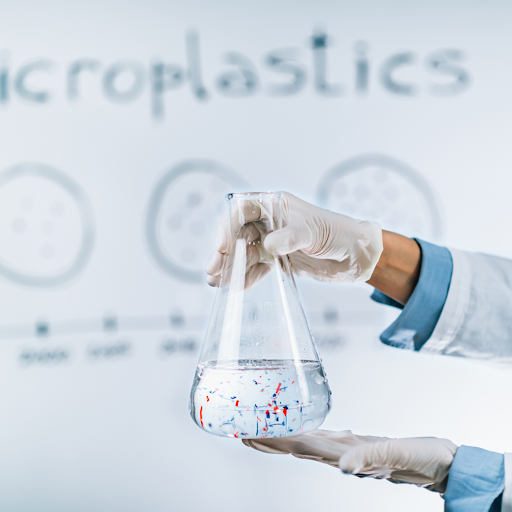
Microplastics are tiny plastic particles that are less than five millimeters in size. These microscopic bits can be found just about everywhere—from the depths of the ocean to the air we breathe. They come from various sources, such as the breakdown of larger plastic items and even products like cosmetics that contain tiny plastic beads. When it comes to K-cups, the potential for microplastics to leach into your coffee is concerning.
The K-Cup Connection: How Microplastics Are Released
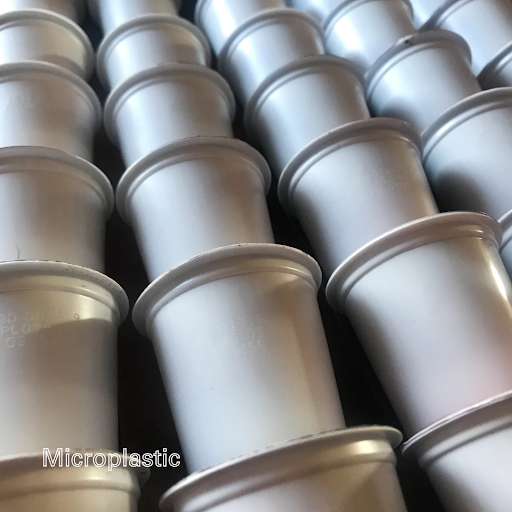
You might be wondering how those small plastic cups are linked to microplastic contamination. K-cups are predominantly made from plastics like polyethylene and some brands may also include additional substances like bisphenol A (BPA) and phthalates. When these materials are subjected to high temperatures during the brewing process, there’s a chance that they can break down and release microplastics into your coffee.
Understanding Polyethylene, BPA, and Phthalates
Let’s take a closer look at these terms and understand their relevance to K-cups and microplastics:
- Polyethylene: This is a common plastic used in a variety of products, including K-cups. It’s lightweight and flexible, making it a popular choice for packaging. However, when exposed to heat, polyethylene can begin to degrade, leading to the potential leaching of harmful chemicals into your beverage.
- BPA (Bisphenol A):BPA is a chemical often used in the production of certain plastics and resins. It has been linked to various health issues, including hormonal disruptions and potential developmental problems. While many brands have gone BPA free, some K-cups may contain BPA, and when heated, this substance can leach into your coffee.
- Phthalates: These are a group of chemicals commonly used to make plastics more flexible and durable. Like BPA, phthalates have raised concerns regarding their impact on health, particularly in relation to hormonal balance and reproductive health. The presence of phthalates in K-cups is another reason to be cautious about what’s brewing in your cup. Again, while many brands have gone phthalate free, some K-cups brands may contain phthalates, and when heated, this substance can leach into your coffee.
The Risks of Drinking Microplastics
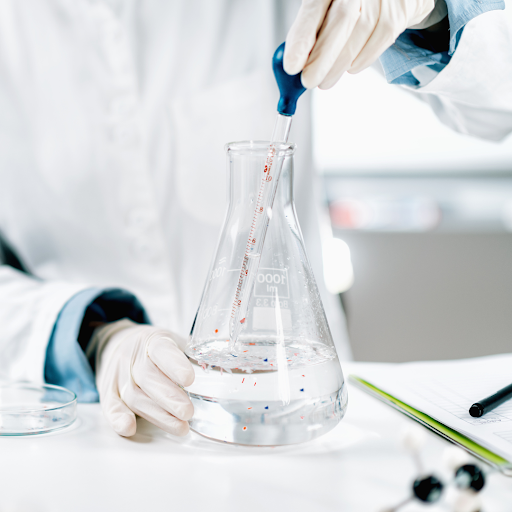
Now that we understand how microplastics can end up in your coffee, let’s explore why this is an issue worth paying attention to. Research suggests that microplastics can carry harmful chemicals and potentially disrupt our endocrine system. Some studies even indicate that these tiny particles can accumulate in our bodies over time, leading to a range of health problems. While the science is still developing, it’s prudent to minimize our exposure to these substances whenever possible.
Analysis of Microplastics in Human Feces Reveals a Correlation between Fecal Microplastics and Inflammatory Bowel Disease Status (Environmental Science & Technology)
Safer Alternatives to K-Cups
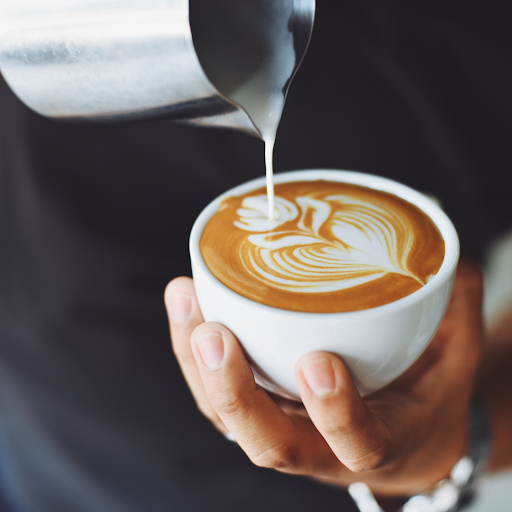
Fortunately, there are several alternatives to K-cups that allow you to enjoy your coffee without the risk of microplastic exposure, and work directly with the coffee machine you already have! Here are some eco-friendly, safer options to consider:
- Reusable Stainless Steel K-Cups
One of the simplest and most effective solutions is to switch to reusable stainless steel K-cups. These pods are designed to fit into your coffee machine just like traditional K-cups, but instead of tossing them after one use, you can fill them with your favorite ground coffee and wash them for continued use. Not only does this reduce plastic waste, but it also eliminates the risk of leaching microplastics into your drink. Plus, you can often achieve a fresher taste by using high-quality beans of your choice!
- Eco-Friendly Coffee Pods
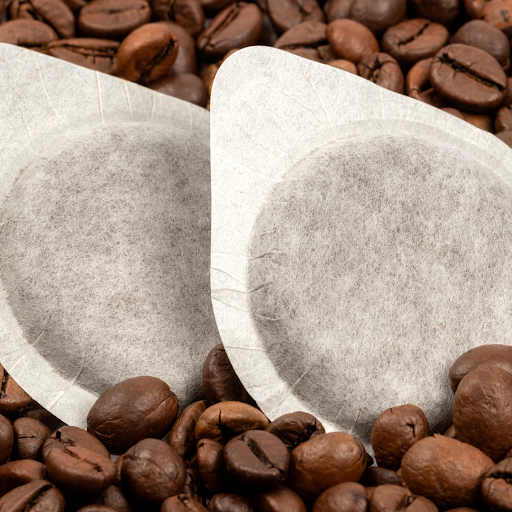
Another option is to look for eco-friendly coffee pods specifically designed to be compostable or made from biodegradable materials. Brands like Beaniac have developed pods that avoid traditional plastics and instead use plant-based materials, reducing the likelihood of microplastics leaching into your coffee. These pods offer the convenience of single-serve coffee without the negative environmental and health impacts.
- Stainless Steel Baskets and Pour Over Coffee Makers
For those looking to take it a step further, consider investing in a stainless steel baskets and pour over coffee makers. These alternatives not only brew great coffee but also eliminate plastic exposure altogether. With options like French presses or pour-over coffee makers, you can enjoy the full flavor of your coffee while keeping microplastics out of your cup.
VSSL Nest Pour Over Coffee Set, Transportable and Compact Pour Over Set with 10 oz Double Walled Mug
Choose Wisely for Your Coffee and Health
As we’ve explored, the convenience of K-cups comes with a potential risk—microplastics that could leach into your morning brew. By understanding the materials involved and their potential impact on our health, we can make informed choices about our coffee consumption. Opting for reusable stainless steel K-cups, eco-friendly pods, or stainless steel coffee makers can help you enjoy your coffee while minimizing plastic exposure.
Making the switch doesn’t just benefit your health; it also contributes to a healthier planet. The next time you reach for your coffee, consider the bigger picture and choose a brewing method that aligns with your values.
Be sure to check out our other blogs and resources, where you’ll find more information to help you navigate the world of plastics and make sustainable choices for your health and the environment. And check out our Top Replace Plastics picks for more products that can help you reduce your microplastic exposure.