
This article may include Amazon Affiliate Links. If you make a purchase through these links, we may earn a small commission—at no cost to you. It’s a great way to support our blog and the work we do at Replace Plastics. Thank you!
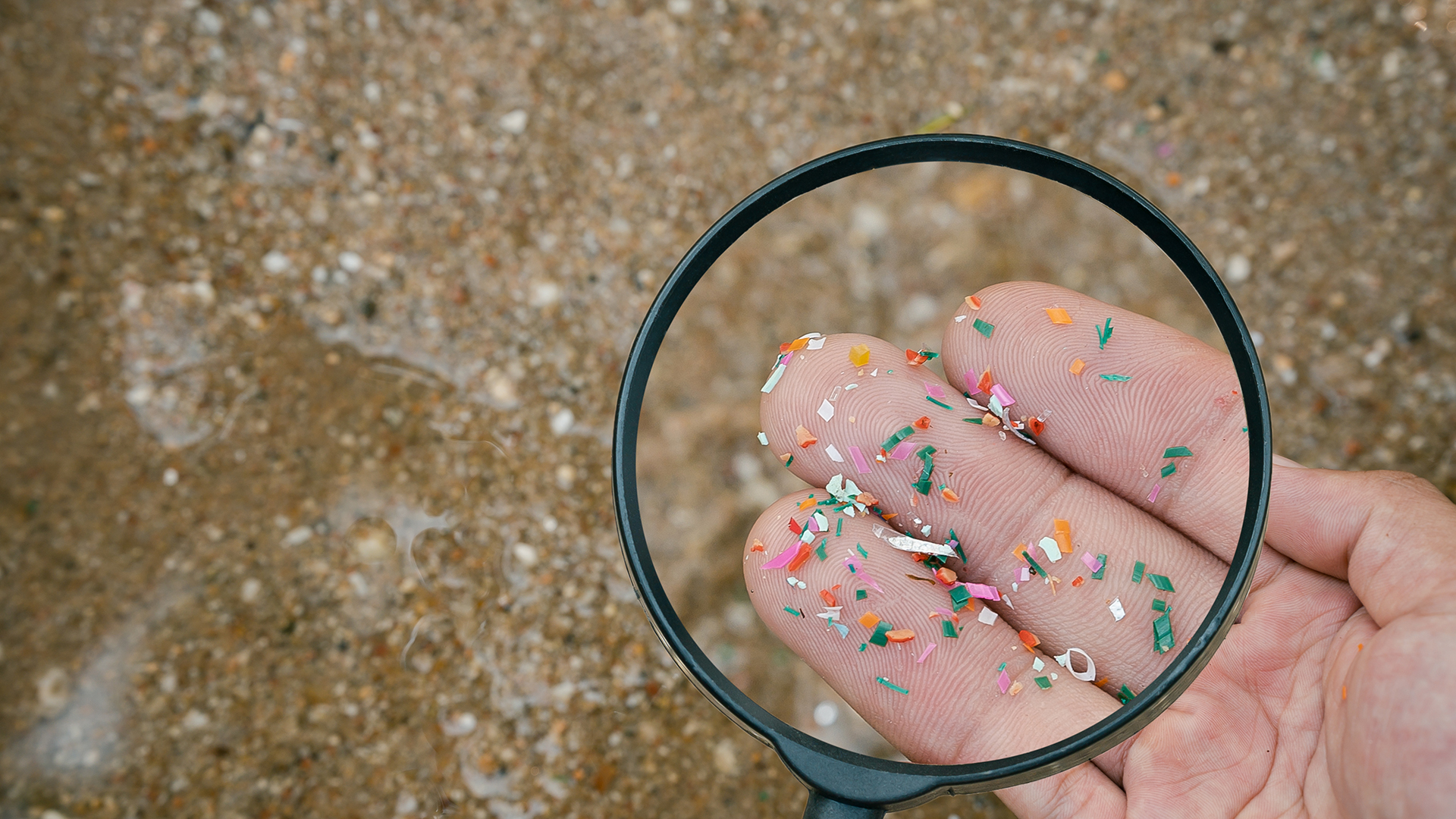
Let’s be real: plastic is everywhere, and more often than not, it’s sneaking into our daily lives in ways we might not expect. Microplastics—those tiny pieces of plastic less than 5 millimeters across—have become so common that they’re turning up in water, food, and even in the air we breathe. Thankfully, there are easy ways to cut down on how much of it makes its way into our bodies. Here’s a quick, practical guide to lowering your microplastic exposure with simple steps you can start using today.
1 Filter Your Tap Water
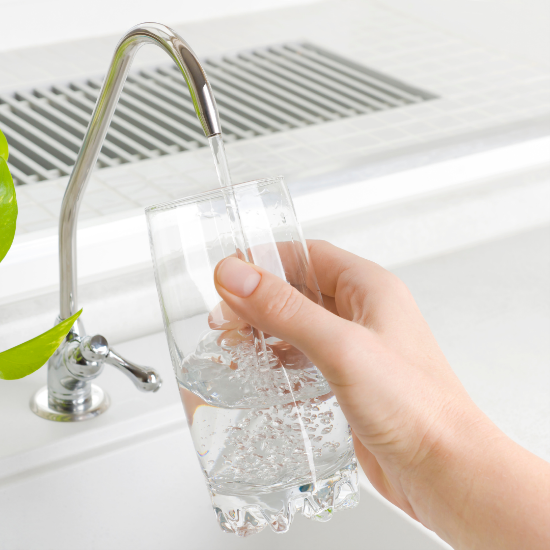
One of the easiest ways to reduce microplastics in your life is by filtering your drinking water. Studies have shown that unfiltered tap water can contain tiny plastic particles, especially if your area has older plumbing. A high-quality water filter, particularly one that’s designed to filter out microplastics, can go a long way toward providing safer, cleaner drinking water. You can find affordable point of entry and countertop reverse osmosis filter (INSERT HYPERLINK) systems you can get hooked up in your home right away! Here are a couple of our top picks!
Bluevua RO100ROPOT Reverse Osmosis System Countertop Water Filter, 5 Stage Purification, Counter RO
Filtration, 2:1 Pure to Drain, Purified Tap Water, Portable Water Purifier for Home
2. Swap Out Single-Use and Everyday Plastics
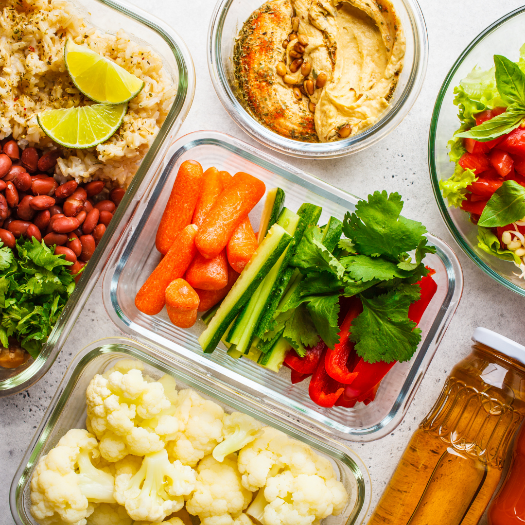
It may seem obvious, but getting rid of single-use plastics in your kitchen and daily routine is a powerful step. Food storage(HYPERLINK) is a big one—plastic bags, wraps, and containers can all shed microplastics over time, especially when they’re exposed to heat or frequent use. Instead, opt for glass, stainless steel, or silicone storage(HYPERLINK) containers for a safer option
3. Say No to Plastic When Cooking and Heating
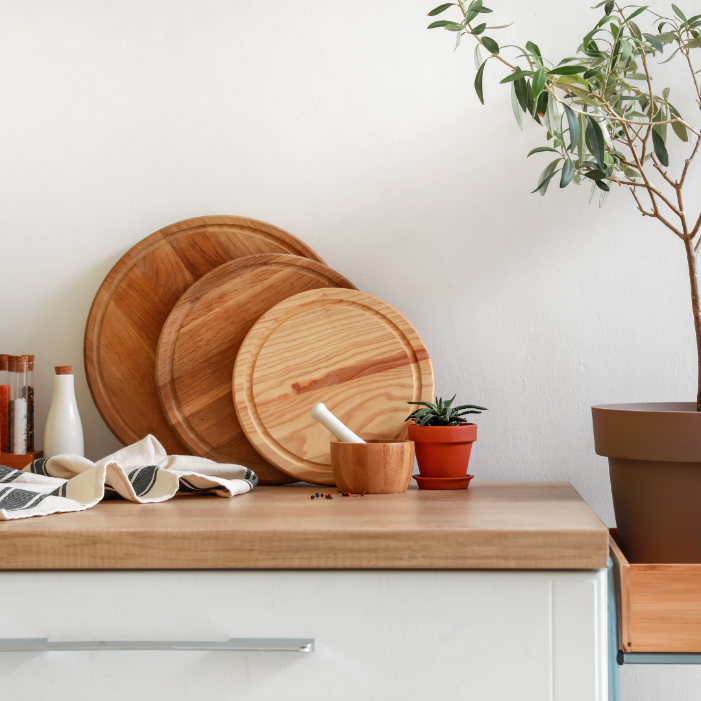
When plastic is heated, it tends to shed even more microplastic particles. If you’re microwaving food, use ceramic or glass containers instead of plastic ones. Same goes for your cooking tools—try silicone or wooden utensils rather than plastic spatulas and spoons. These small changes not only reduce plastic exposure but also protect against chemical contaminants, like BPA, that are more likely to seep into food when heated.
4. Choose Natural Fabrics Over Synthetic Ones
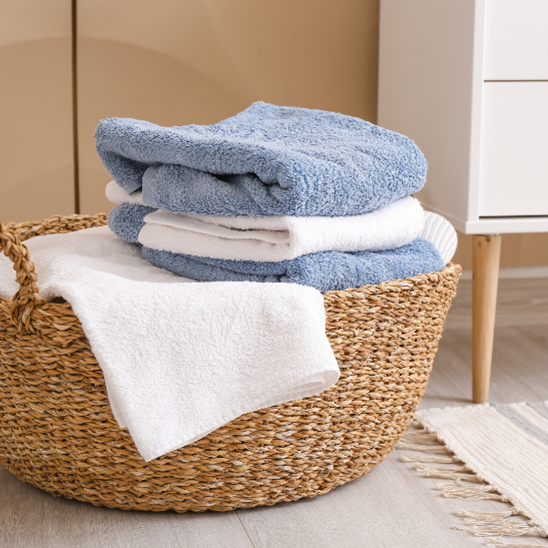
You might be surprised, but clothing is another big source of microplastic exposure. Synthetic fabrics like polyester, nylon, and acrylic shed microfibers every time they’re washed. These fibers then enter the water system, and some even make it back into our food and water supply. Whenever possible, choose natural fibers like cotton, wool, or linen, which not only last longer but also help cut down on microplastic pollution.
5: Use a Gentle Laundry Routine
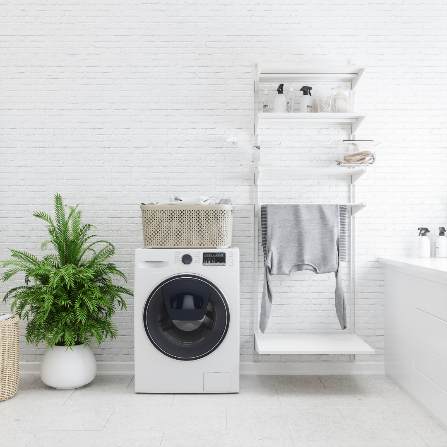
For synthetic clothes you already own, you can reduce their microfiber shedding by washing them gently. Use cold water, lower spin cycles, and liquid detergent (which creates less friction than powder). Better yet, use a microfiber-catching laundry bag or filter to trap microfibers before they enter your water system. These simple habits help prevent plastics from entering our water supply, where they eventually cycle back to us.
6. Store Your Food and Beverages in Non-Plastic Containers
Our kitchens are often full of plastic containers, but over time, they can break down and release microplastics, especially if they’re exposed to heat, light, or regular use. Glass, stainless steel containers, and ceramic bowls are easy swaps that look nice and keep food fresher without the risk of plastic contamination. Stainless steel water bottles are also a durable option for reducing daily microplastic intake.
Conclusion:
While we can’t completely eliminate plastic from our lives, these small changes can make a big difference for your health and reduce the amount of microplastics entering your body. For even more practical ways to reduce microplastic exposure, check out our **Replace Plastics Top Product Recommendations**—we’ve handpicked some affordable options that make lowering plastic exposure a breeze. Every little step counts toward a cleaner, healthier lifestyle and environment!